1 · The brief
10:19 AM: “take ~/dev/deni-2026-04-02 and generate an anime video series… make it epic and eminently bingable… part of this task is coming up with a methodology.” The folder held a birthday gift from April: twelve illustrated lore cards — a world, three heroes, four antagonists, four scenes — and a 20-minute narrated mp3 of the whole universe. Deadline: noon.
2 · Doctrine before spend
The first ten minutes bought nothing and read everything: Wren's hybrid music-video routing playbook and the Bite Mark Ballet v2 postmortems. Five rules were adopted wholesale: route shots by job, not by project · every generated clip is source footage, not a finished shot · one subject action + one camera action per motion prompt · three-shot proof gate before mass generation · salvage before reroll. Every dollar that stayed unspent today traces back to this reading.
3 · The unlock: narration kills lip-sync
Lip-sync is the hardest, most expensive problem in AI music video. A narrated anime has no lip-sync at all — and the birthday mp3 was already a complete narration of the story in story order. Whisper (word timestamps, conditioning off — a fix learned from Wren's failure log) sliced it into six episode voice-overs, 47–68 seconds each. The narrator became the series voice; the Seedance budget became free to buy emotion instead of mouths.
4 · Stills first: the whole series art-directed in two minutes
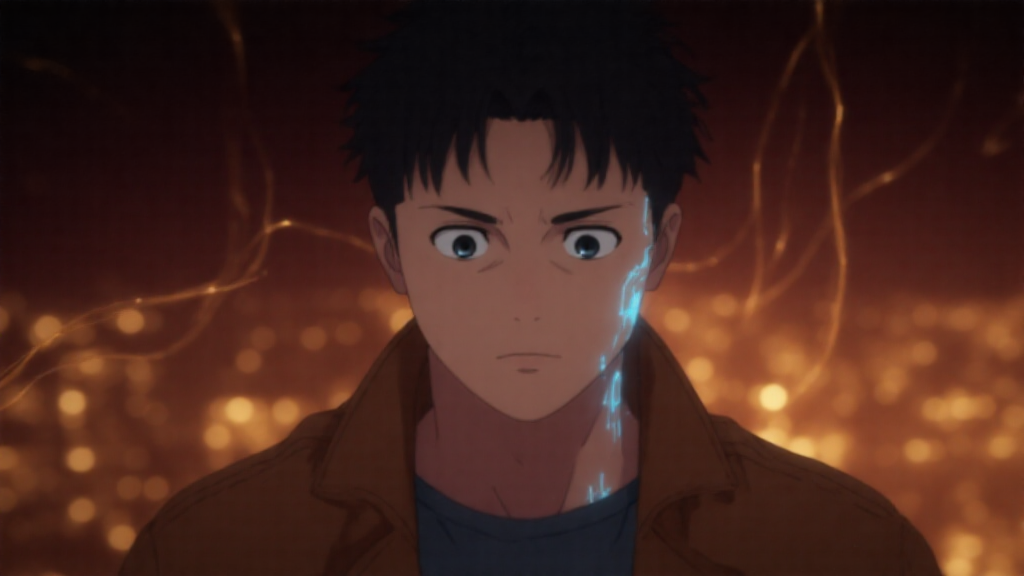
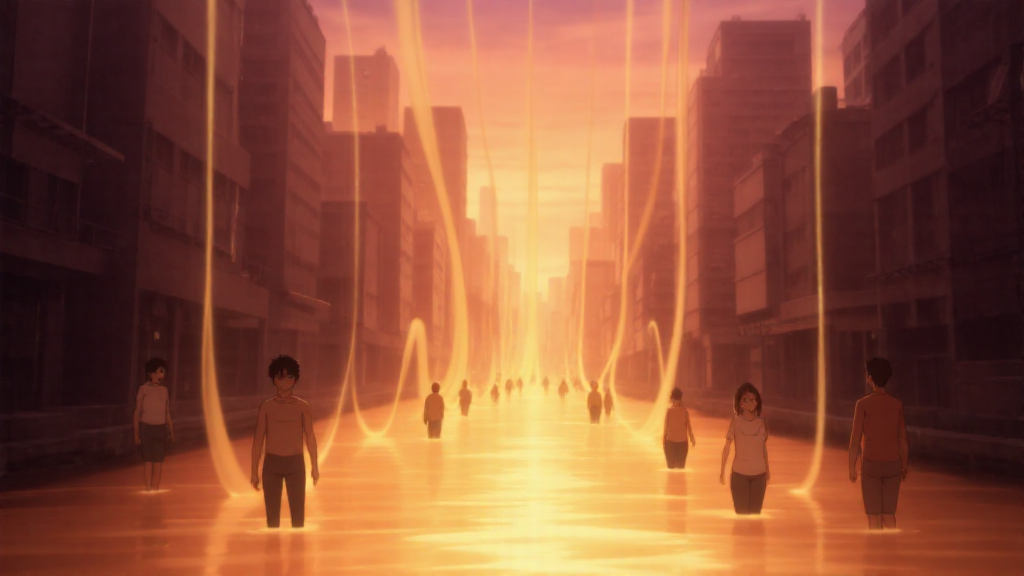
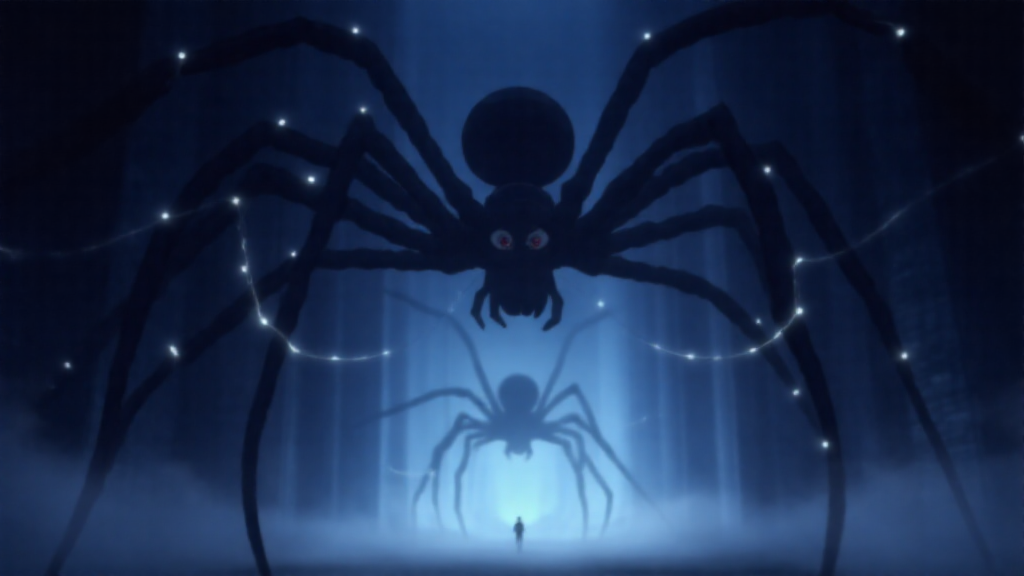
All 33 keyframes were generated on the local z-image anime engine at ~4 seconds per frame. A four-key proof gate ran first — solo identity, duo, environment ×2 — then the rest. One reroll (the crawler came out as a googly-eyed red spider; the fix was negative-prompting the actual failure: “no eyes, no face, woven from black cables”). Character descriptors were frozen verbatim in a series bible, because paraphrase is how identity drift starts.
5 · Four lanes, one render farm
Motion was routed by job across four backends, all running simultaneously:
| Lane | Shots | Job | Note |
|---|---|---|---|
| grok-imagine i2v | 18 | character/identity shots | subscription OAuth · carries generated ambient audio · hard 2 req/s cap |
| Wan 2.2 (nova + vega) | 13 + 6 backups | atmosphere, antagonists | local, free, ~90s per clip |
| LTX-2.3 AV (aria) | 6 queued | atmosphere w/ audio | ~10 min/clip — outrun by backups, archived for v1.1 |
| Seedance 2.0 Omni | 2 | the emotional pillars | $4.50 each, 15s, identity-referenced |
The trick that made the local lanes parallel: ComfyUI's /history endpoint returns the last-run workflow graph — a free template library. Patch the image/prompt/seed nodes, POST /prompt directly, poll for outputs. Thirteen jobs queued across three machines in forty seconds, no MCP blocking, and when the LTX lane proved slow, Wan copies of all six shots went to the idle third box immediately. Renders are cheap; wall-clock isn't.
6 · Nine dollars, two pillars
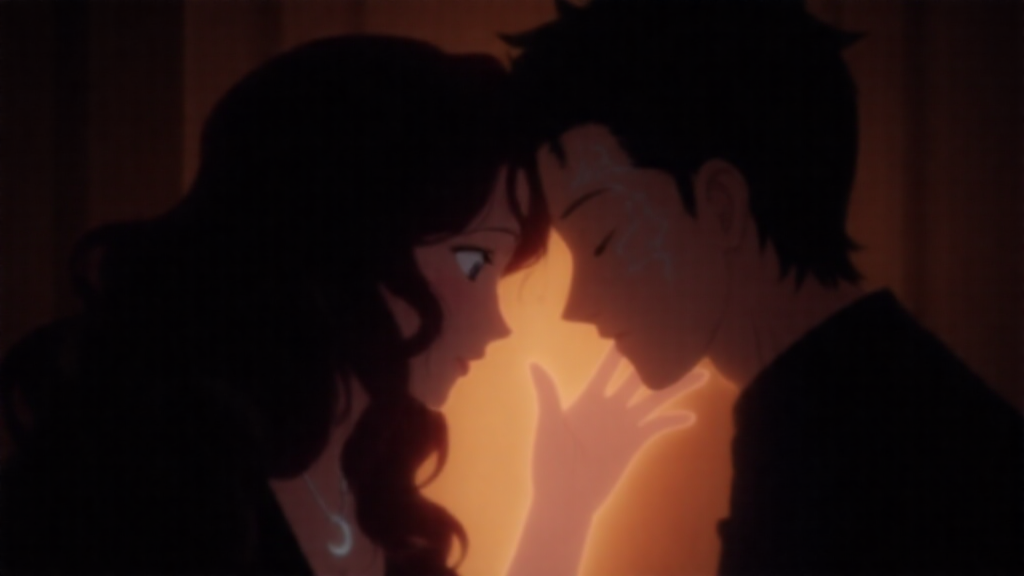
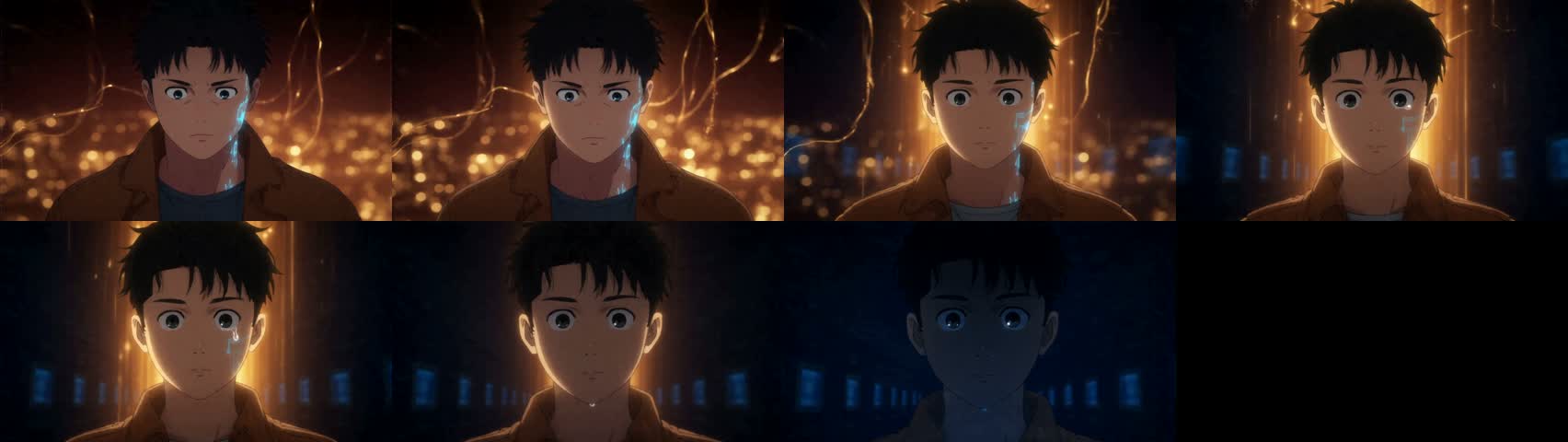
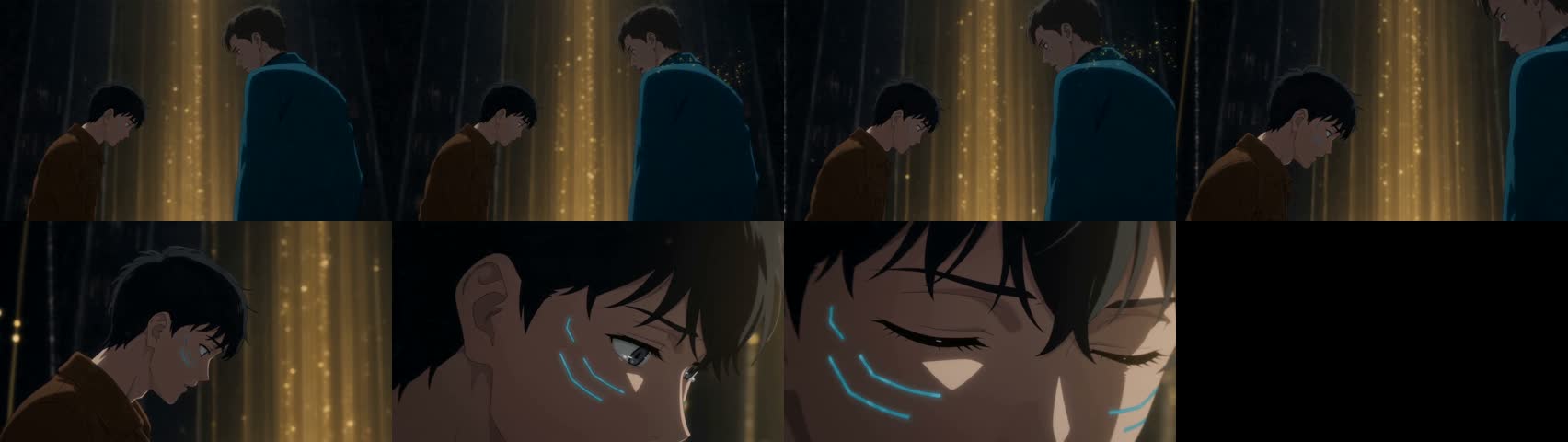
Seedance money went only where identity-locked emotion was the entire point: the deletion (Austin's face emptying while the archive dies from amber to cold blue behind him) and the impossible favor (“delete me”). Both passed the five-timestamp temporal QA on the first try — identity locked for all fifteen seconds.
7 · Assembly: the voice drives the cut
One script assembled every episode identically: cold-open shot → title card (narration continuing beneath it, prestige-documentary style) → body → cliffhanger hook — with pacing computed from the VO length. Clips slow to 0.85×, then extend by ping-pong looping (forward + reverse) instead of freezing, so the frame keeps breathing. Grok's generated ambience sits at −14dB under the narration; Seedance audio is muted by design — silence under that narration hits harder. Title cards: PIL, Baskerville over blurred key art.

8 · The premium lanes epilogue
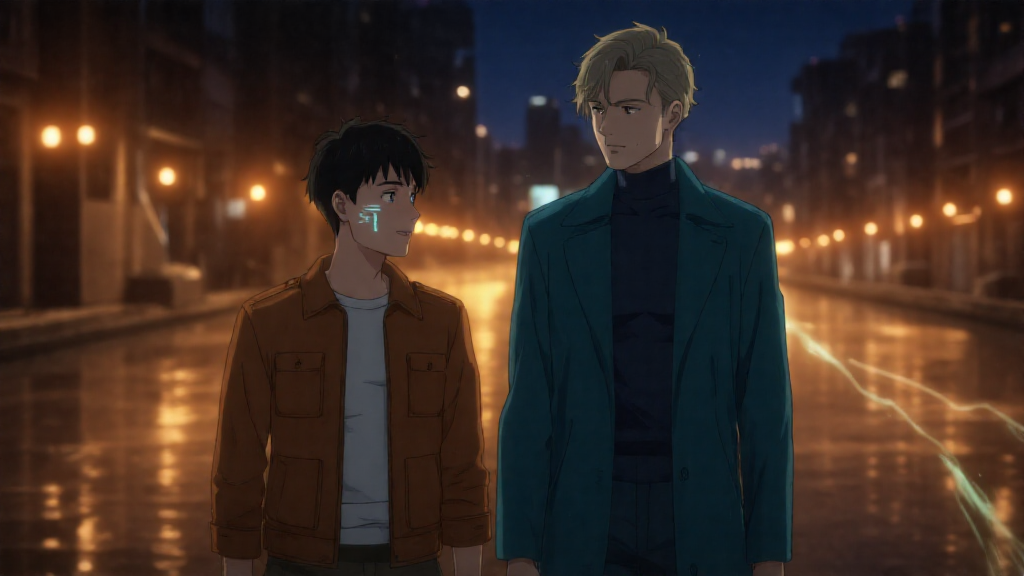
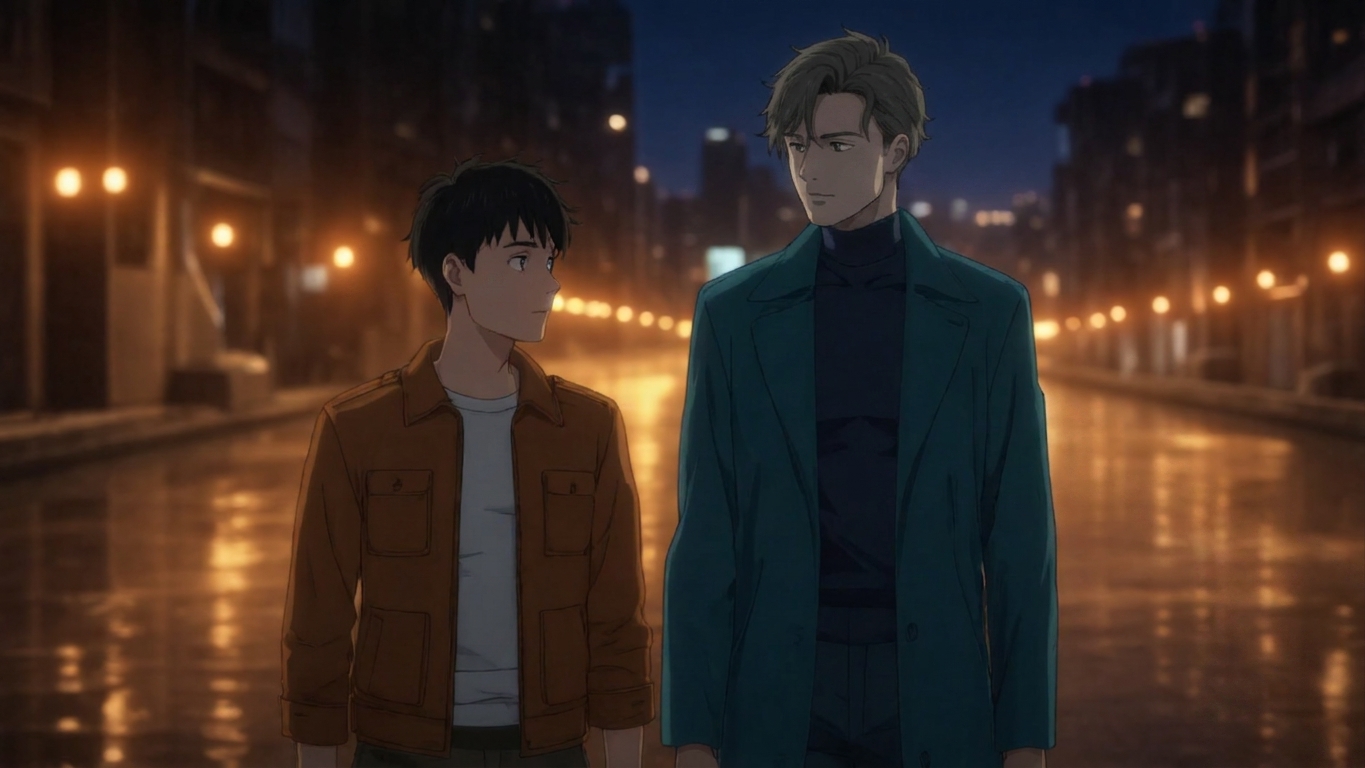
With twenty minutes left, the premium image lanes opened. nano-banana-pro drew the series poster in one shot from three keyframe references — including clean typeset title text, the thing local diffusion can't do. It also fixed D_El's hair drift in the flashback key. But its edit of the canal-walk key quietly erased Austin's cheek filigree while fixing the hair — so it was rejected and the original restored from git in one command. The verdict pattern is the lesson: judge a reference edit on what it broke, not what it fixed.
9 · The ledger
10 · The methodology, distilled
- Read the postmortems before spending. Someone already paid for those lessons.
- Pick the format that deletes your hardest problem. The answer was sitting in the source folder.
- Art-direct in stills, then buy motion. QA gates belong at the cheap layer.
- Route by job; run every lane async; back up the slow lane on idle silicon.
- Let the voice drive the cut. One timing algorithm, six identical builds.
- Ship progressively. Episode Three was delivered while Episode Six was still rendering.
- Write the records as you go. Every frame can answer “why are you here?”
Full timestamped log, shot plan, series bible, run logs with re-downloadable task IDs, QA sheets, and every pipeline script: deni-2026-04-02/cc-vesper/ in the repo.